
Walk into any nail studio and you will hear the same question asked at the front desk: gel or regular? Most clients choose based on how long they want their color to last, but the more important question is what each option does to the actual nail underneath. This post breaks down the gel nails vs regular polish nail health debate with honest answers, real science, and practical guidance so you can make a choice that works for both your lifestyle and your nail plate.
What Is Gel Polish and How Is It Different from Regular Polish?
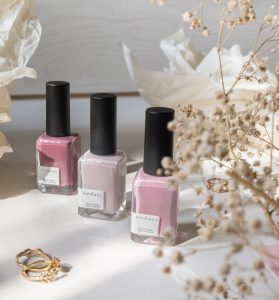
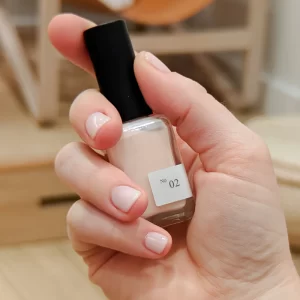
Regular nail polish is a liquid lacquer made from film-forming polymers, solvents, and pigments. It dries through solvent evaporation. Many modern brands have removed harmful chemicals in “free-from” formulations — like the 10-free nail polish at Dear Sundays, made without toluene, formaldehyde, and dibutyl phthalate.
Gel polish is formulated with photoinitiators that respond to UV or LED light. When exposed to the lamp, it triggers photopolymerization, binding the molecules into a hard, durable film that resists chipping for two to four weeks.
The Pros and Cons of Gel Polish for Nail Health
Longer Wear and Chip Resistance
The primary appeal of gel is durability. A well-applied gel manicure can stay chip-free for three to four weeks. The problem arises when clients extend wear past the recommended window, or when the gel begins to lift and moisture gets trapped underneath.
UV Light Exposure During Curing
Every gel manicure requires curing under a UV or LED lamp. A 2023 study published in Nature Communications by researchers at UC San Diego found that UV nail lamps caused mitochondrial dysfunction and DNA damage in human cells, with cell death rates of 20 to 30 percent after a single 20-minute session. Clients who get gel nails frequently should consider applying broad-spectrum SPF to the hands before placing them under the lamp.
The Damage Caused by Improper Gel Removal
Improper removal is the single biggest nail health risk associated with gel polish. When clients peel or pick gel off without soaking in acetone first, they strip away layers of the nail plate. After proper removal, restoring moisture with a cuticle oil is essential for keeping the nail plate healthy.
The Pros and Cons of Regular Polish for Nail Health
Breathability and Flexibility
Regular polish does not bond as aggressively to the nail plate. It also offers flexibility — moving with the nail rather than working against it under pressure.
Easier Removal and Lower Damage Risk
Standard nail polish removes in minutes with a non-acetone or low-acetone remover — significantly less aggressive than a 10-to-15 minute acetone soak. For clients recovering from nail damage, regular polish is almost always the recommended option.
Formula Matters: Why 10-Free Makes a Difference
Not all regular polish is created equal. Dear Sundays uses a clean, vegan nail polish formula that is 10-free, meaning the polish is made without toluene, formaldehyde, formaldehyde resin, dibutyl phthalate, camphor, TPHP, parabens, xylene, acetone, and ethyl tosylamide.
What the Science Says About Gel and Nail Plate Damage
- The 2023 UC San Diego study found UV nail lamps caused DNA damage in cells, with effects worsening with repeated exposure.
- A 2012 study in JAMA Dermatology found that repeated gel manicures without adequate rest periods caused significant nail plate thinning.
- Research in the British Journal of Dermatology documented cases of allergic contact dermatitis from acrylates in gel polish.
The American Academy of Dermatology recommends spacing gel appointments at least three to four weeks apart and taking a full break from gel at least once a year.
How to Protect Your Nails If You Choose Gel
- Apply broad-spectrum SPF 30 or higher to your hands before placing them under the curing lamp.
- Never peel or pick off gel at home. Always use the foil-wrap acetone method.
- After removal, use a strengthening nail care treatment to rehydrate the nail plate.
- Keep gel appointments to every three to four weeks to reduce the number of removal cycles per year.
- Take at least one month off from gel each year.
Which Should You Choose?
Choose gel if you need long-lasting wear, you are willing to use SPF protection during curing, and you always have your gel removed properly.
Choose regular polish if you are working on nail recovery, change your color frequently, or want to eliminate UV exposure entirely. At Dear Sundays NYC nail studio, both options are available with trained technicians who can help you choose based on your current nail health.
Frequently Asked Questions
Does gel polish permanently damage your nails?
Gel polish does not cause permanent nail damage when applied and removed correctly. Any surface thinning grows out over time, typically within three to six months.
What is 10-free nail polish and why does it matter?
10-free nail polish is formulated without ten ingredients associated with health concerns: toluene, formaldehyde, formaldehyde resin, DBP, camphor, TPHP, parabens, xylene, acetone, and ethyl tosylamide.
Book Your Next Nail Appointment at Dear Sundays
Whether you prefer the durability of gel or the simplicity of regular polish, Dear Sundays offers both in a studio built around nail health. Browse the full non-toxic nail polish collection online, or book at one of five NYC locations: NoMad, Hudson Yards, East Village, the Upper East Side, and SoHo.