
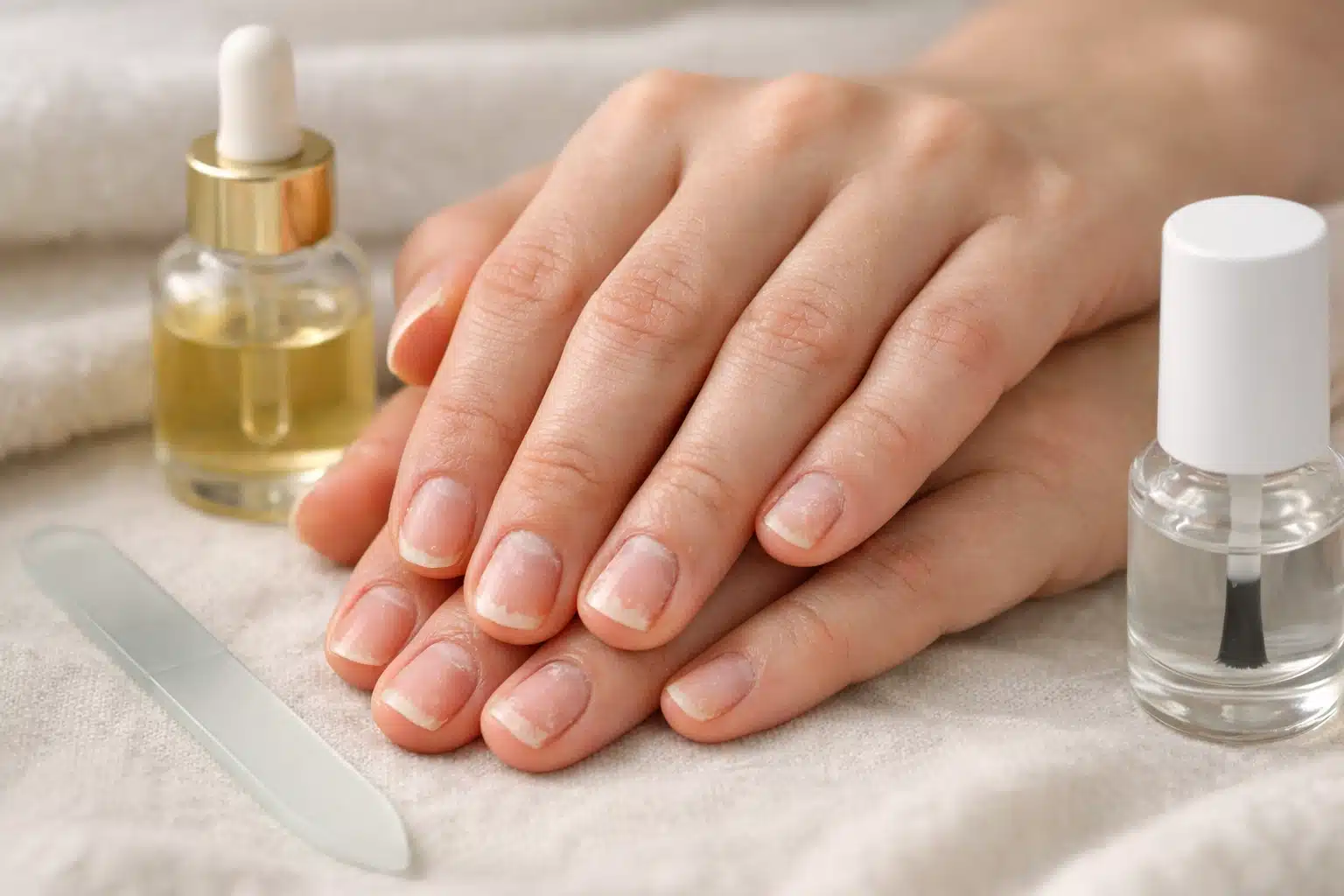
Gel manicures are often chosen for their durability, glossy finish and convenience. They promise weeks of chip-free wear and polished-looking nails with minimal upkeep. However, when gel manicures are worn repeatedly or removed improperly, they can slowly compromise the health of your natural nails. Many people notice that their nails feel thinner, weaker, drier, or more prone to peeling after gel removal.
If your nails look and feel damaged after gel manicures, it does not mean you have permanently ruined them. Nail damage is usually temporary and can be repaired with consistent care, gentle habits and a shift in focus from quick cosmetic results to long-term nail health. Repairing your nails is less about aggressive treatments and more about giving them the time and support they need to recover naturally.
This guide walks you through twelve easy and effective ways to repair your nails after gel manicure damage and helps you build a healthier nail care routine that supports long-term strength and balance.
Why Gel Manicures Can Damage Your Nails
Gel polish adheres more strongly to the nail plate than regular nail polish. This strong bond is created through curing under UV or LED light, which hardens the polish and allows it to last longer. While this durability is appealing, it also means that removal often requires soaking, scraping, or buffing.
Repeated buffing before application and scraping during removal can gradually thin the nail plate. Harsh solvents can strip natural oils from the nail, leaving it dry and inflexible. Over time, this combination leads to peeling, breakage and increased sensitivity. Gel manicures themselves are not inherently harmful, but frequent use without adequate breaks and gentle removal practices can weaken the nail structure.
How Long Does It Take for Nails to Recover After Gel Damage
Nail recovery takes time because nails grow slowly. On average, fingernails grow only a few millimeters each month, which means damaged areas cannot be repaired instantly and must grow out gradually.
Most people start to notice improvement within a few weeks of adopting gentler nail care habits. Full recovery, where the entire nail has grown out healthy and strong, may take several months. Factors such as overall health, hydration, diet and consistency of care can influence how quickly nails heal. Patience and regular care are essential parts of the recovery process.
Here are the 12 Easy and Effective Ways to Repair Nails After Gel Manicure Damage
1. Take a Break From Gel and Acrylic Manicures
Giving your nails a break is the foundation of recovery. Gel and acrylic manicures place repeated stress on the nail plate through curing, buffing and removal. Even when done carefully, this process can weaken nails over time. Continuing gel manicures while trying to repair damage often slows healing and leads to ongoing thinning or peeling.
A break allows the nail plate to grow naturally without additional stress. This does not mean your nails have to look unfinished. During this time, you can leave nails bare and well cared for or switch to a gentle, regular nail polish. Rest periods help nails regain balance, strength and flexibility, making future manicures healthier.
2. Keep Nails Short While They Heal
Damaged nails are more vulnerable to bending, splitting and tearing, especially when they are long. Keeping nails short reduces pressure on weak areas and helps prevent accidental breakage during daily activities.
Short nails are easier to protect and maintain while they recover. Trimming regularly also allows you to remove damaged edges as a new, healthier nail grows in. A simple, rounded, or softly squared shape is ideal during recovery because it minimizes stress points and supports stronger regrowth.
3. Moisturize Nails and Cuticles Daily
Daily hydration is one of the most effective ways to repair damaged nails. Gel manicures and removals often strip natural oils from the nail plate, leaving nails dry and rigid. When nails lack moisture, they are more likely to peel and crack.
Applying cuticle oil or a nourishing nail treatment daily helps restore moisture and improve flexibility. Massaging oil into the cuticles also supports healthy nail growth at the root. Consistent hydration improves the appearance of nails while supporting long-term strength and resilience.
4. Use a Nail Strengthening Treatment
Nail strengthening treatments provide additional support while nails are healing. These treatments help reinforce weak layers of the nail plate and protect fragile nails from everyday stress.
A good strengthening treatment should support flexibility rather than making nails overly hard. When nails become too rigid, they are more likely to snap. Used consistently, strengthening treatments can reduce breakage and help nails feel more stable as new growth replaces damaged areas.
5. Switch to Gentle, Non-Toxic Nail Polish
If you prefer to keep your nails polished during recovery, switching to gentle, non-toxic nail polish can make a meaningful difference. Traditional formulas may contain harsh ingredients that dry out nails and irritate the surrounding skin.
Cleaner formulations are better suited for frequent use and help minimize further damage. They allow you to enjoy color while supporting nail health rather than masking underlying issues. Choosing a gentler polish is a simple way to align your manicure routine with long-term nail care.
6. Avoid Peeling or Picking Off Polish
Peeling or picking off polish is one of the most damaging habits for nails. When the polish is peeled away, layers of the nail plate are often removed with it. This leads to thinning, rough texture and increased sensitivity.
Allow polish to wear naturally or remove it properly when needed. Breaking the habit of picking protects the nail surface and helps prevent repeated damage. Over time, this change alone can significantly improve nail strength and appearance.
7. Remove Nail Polish Gently
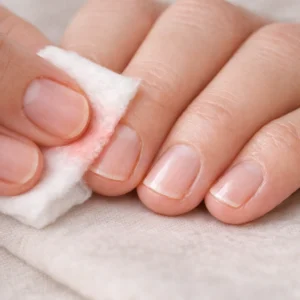
How you remove nail polish has a major impact on nail health. Aggressive scrubbing, excessive soaking, or harsh pressure can undo progress and further weaken nails.
Gentle removal techniques protect nail layers. Allow the remover to work without force, use soft pads and avoid scraping. Being patient during removal helps preserve the nail plate and supports smoother, healthier regrowth.
8. Protect Nails During Daily Activities
Everyday activities can slow nail recovery if nails are not protected. Frequent exposure to water, cleaning products and chemicals weakens nails by causing them to swell and dry repeatedly.
Wearing gloves while cleaning, washing dishes, or handling harsh products helps protect nails from excess moisture and damage. Small protective habits reduce stress on nails and support faster, more consistent healing.
9. Maintain a Nail-Friendly Diet

Nails reflect overall health. Since nails are made of keratin, proper nutrition plays an important role in recovery. A diet lacking protein, vitamins, or minerals can slow nail growth and weaken new nail structure.
Eating a balanced diet supports stronger nail growth from within. While topical care helps protect nails externally, nourishing your body ensures that new nail growth is healthier and more resilient over time.
10. Avoid Excessive Buffing and Filing
Buffing may improve the appearance of nails temporarily, but excessive buffing removes layers of the nail plate. When nails are already damaged, this can increase sensitivity and delay healing.
Limit buffing during recovery and focus on gentle filing instead. Use a fine-grit file and file in one direction to avoid creating weak points. Gentle shaping helps maintain nail integrity while damaged areas grow out.
11. Apply a Protective Base Coat
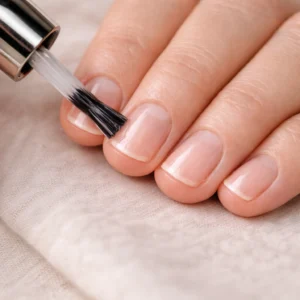
A protective base coat creates a barrier between your nail and polish. During recovery, this barrier helps prevent staining and reduces stress on the nail surface.
Base coats formulated to support nail health can also provide light reinforcement. Even when wearing polish occasionally, using a base coat helps protect fragile nails and supports a smoother recovery process.
12. Be Consistent With Nail Care
Consistency is more important than any single treatment. Nails respond best to regular, gentle care practiced over time. Occasional treatments without daily habits often produce limited results.
By moisturizing daily, handling nails gently and avoiding harsh practices, you create an environment where nails can recover naturally. With patience and consistency, nails gradually regain strength, flexibility and a healthy appearance.
Common Mistakes That Slow Nail Recovery
Even with the best intentions, certain habits can slow nail recovery and undo progress. One of the most common mistakes is returning to gel or acrylic manicures too quickly. Nails that are still thin or peeling need time to rebuild and reapplying gel too soon adds stress before the nail plate has fully recovered.
Skipping daily hydration is another factor that delays healing. Damaged nails lose moisture easily and without consistent moisturizing, they remain brittle and prone to splitting. Hydration is not a one-time fix but a daily practice that supports flexibility and strength as nails grow.
Using harsh removers or aggressive removal techniques can also slow recovery. Excessive scrubbing, prolonged soaking, or forceful scraping strips away layers of the nail plate and increases sensitivity. Gentle removal methods are essential for preserving progress.
Ignoring early signs of damage, such as peeling edges, sensitivity, or uneven texture, can lead to more severe issues over time. Paying attention to how your nails respond and adjusting your routine accordingly helps prevent setbacks. Nail recovery works best when care is responsive, consistent and patient rather than rushed.
Can Nails Fully Recover After Gel Manicure Damage
In most cases, nails can fully recover after gel manicure damage. Nails grow continuously, which means damaged sections are gradually replaced by new, healthier nail as long as the nail matrix remains intact. With gentle care and protection, strength and appearance steadily improve over time.
Recovery depends on consistency and overall habits. Regular hydration, minimizing exposure to harsh products and avoiding repeated trauma allow nails to regain flexibility and resilience. While visible improvement often appears within weeks, full recovery can take several months as the nail grows out completely.
If you experience pain, persistent discoloration, changes in nail shape, or separation from the nail bed, it may be helpful to consult a professional. These symptoms can sometimes indicate issues beyond typical gel damage. For most people, however, patience and mindful nail care are enough to restore nail health naturally.
Final Thoughts
Repairing your nails after gel manicure damage is a gradual process that rewards patience and consistency. Rather than focusing on quick fixes, the goal is to create habits that support nail health over time. Gentle care, regular hydration and protection from daily stress help rebuild strength and balance.
Healthy nails are not about perfection or constant treatments. They are the result of mindful routines that respect the natural growth process. With the right approach and a little time, your nails can recover, grow stronger and look naturally beautiful again.